Converting unused workplace space into recovery environments for high-pressure teams.
A WORKPLACE PEOPLE DON’T NEED TO RECOVER FROM
Law firms are losing associates. Hospitals are losing nurses. Dispatch centers are losing operators.
Most retention strategies focus on compensation, benefits, or wellness programs. But the real issue is environmental: high-pressure workplaces exhaust the nervous system with no opportunity for recovery.
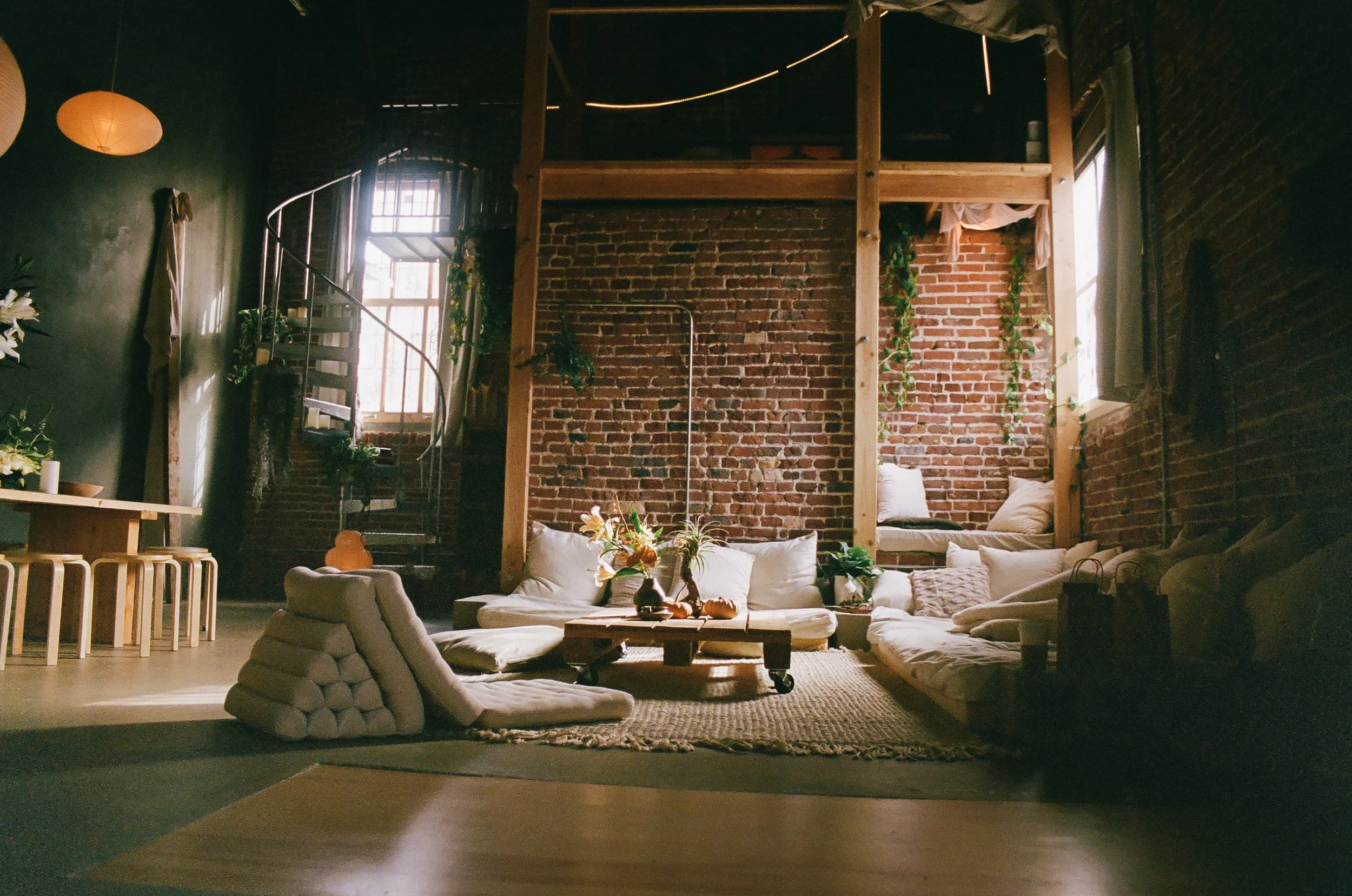
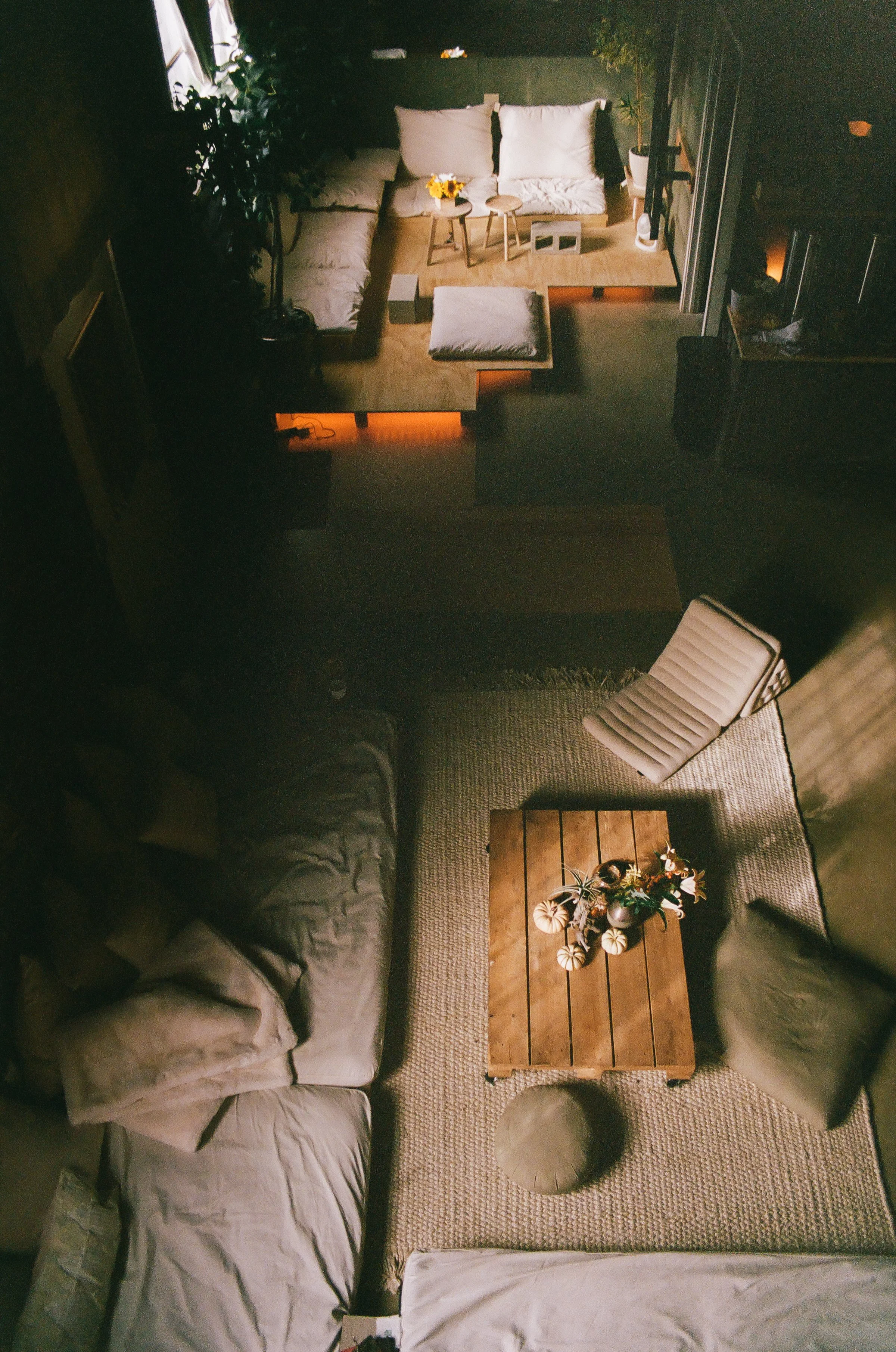
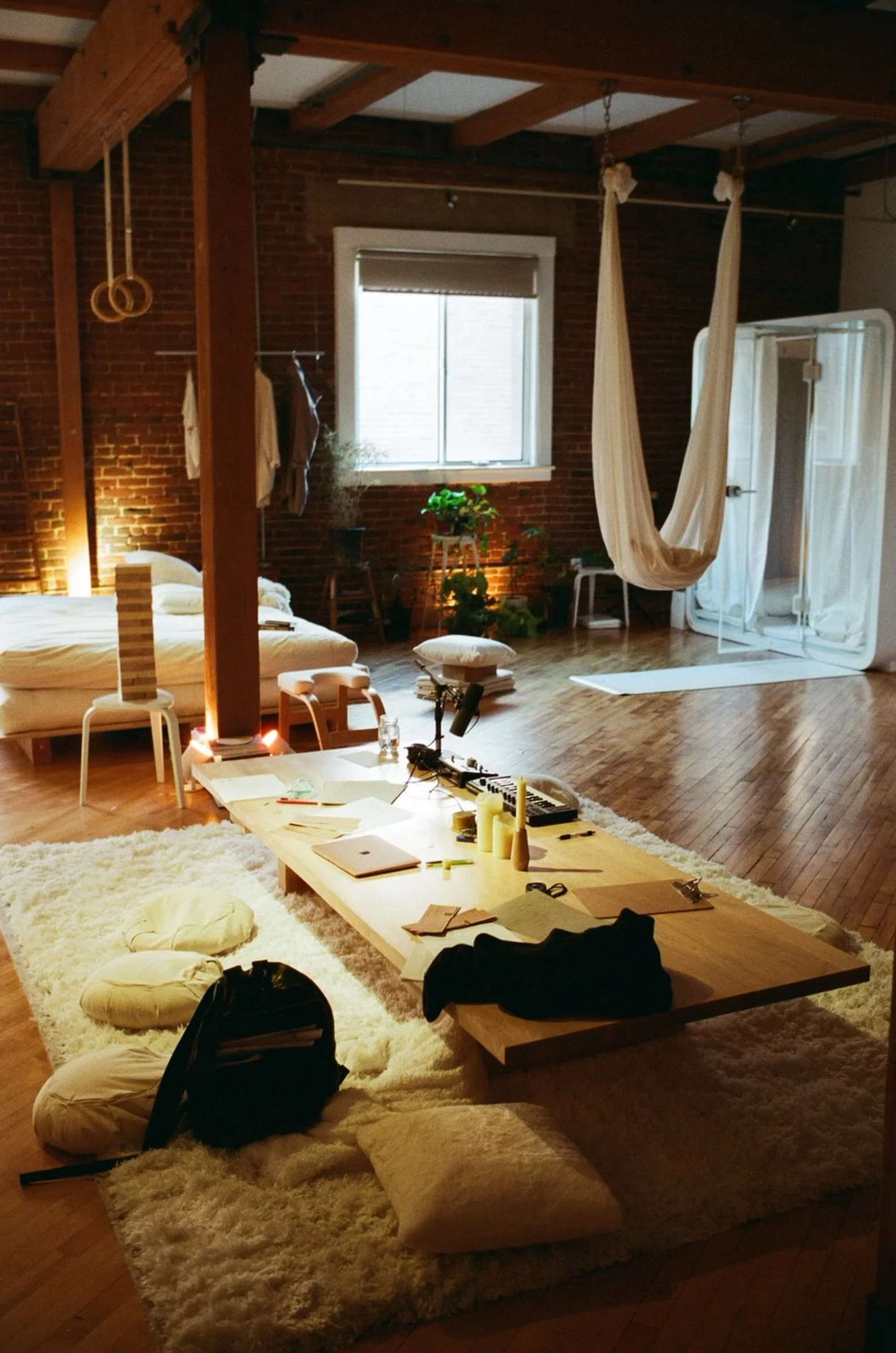
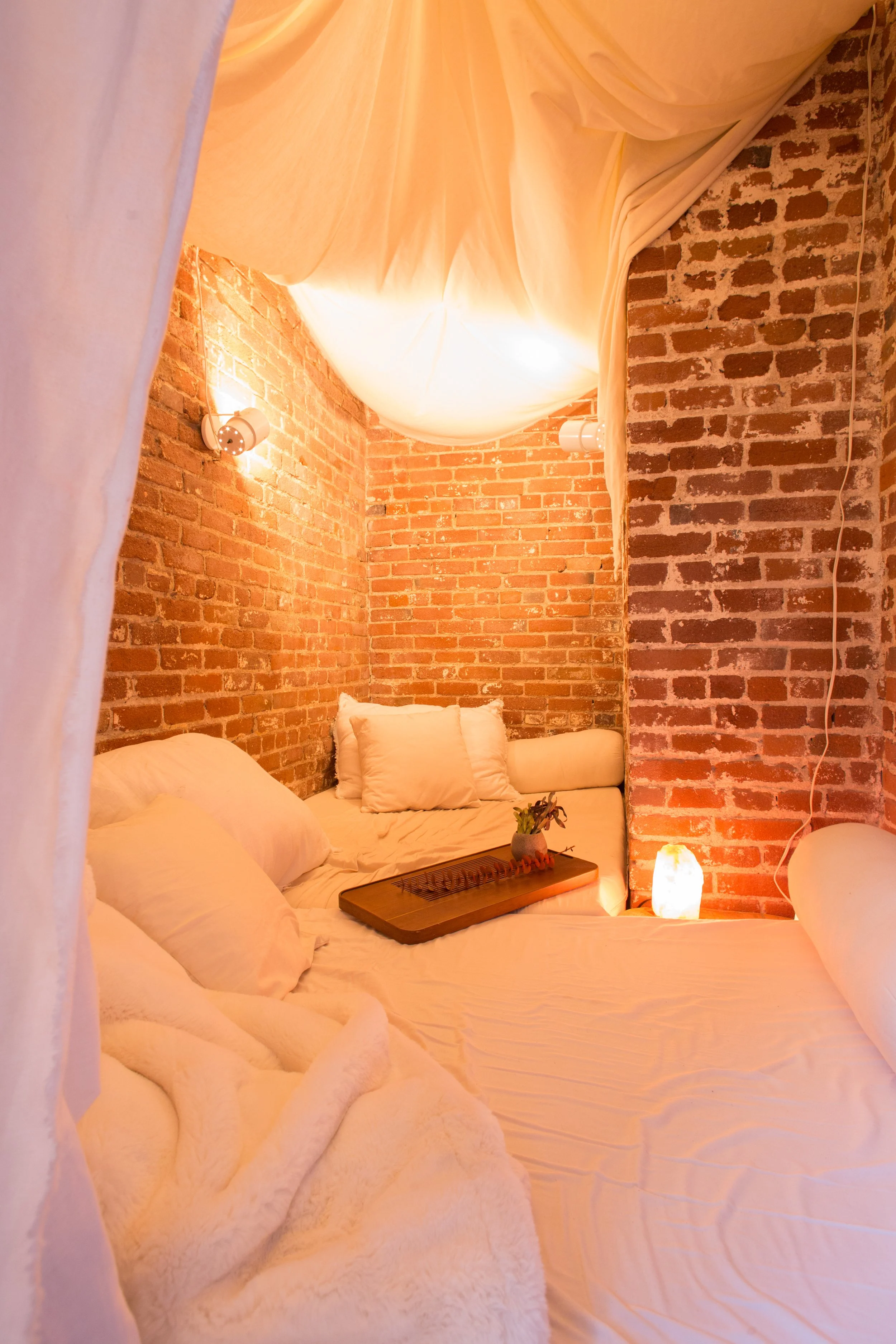
We design regulation rooms — evidence-based spaces where employees restore cognitive clarity and emotional equilibrium during demanding shifts.
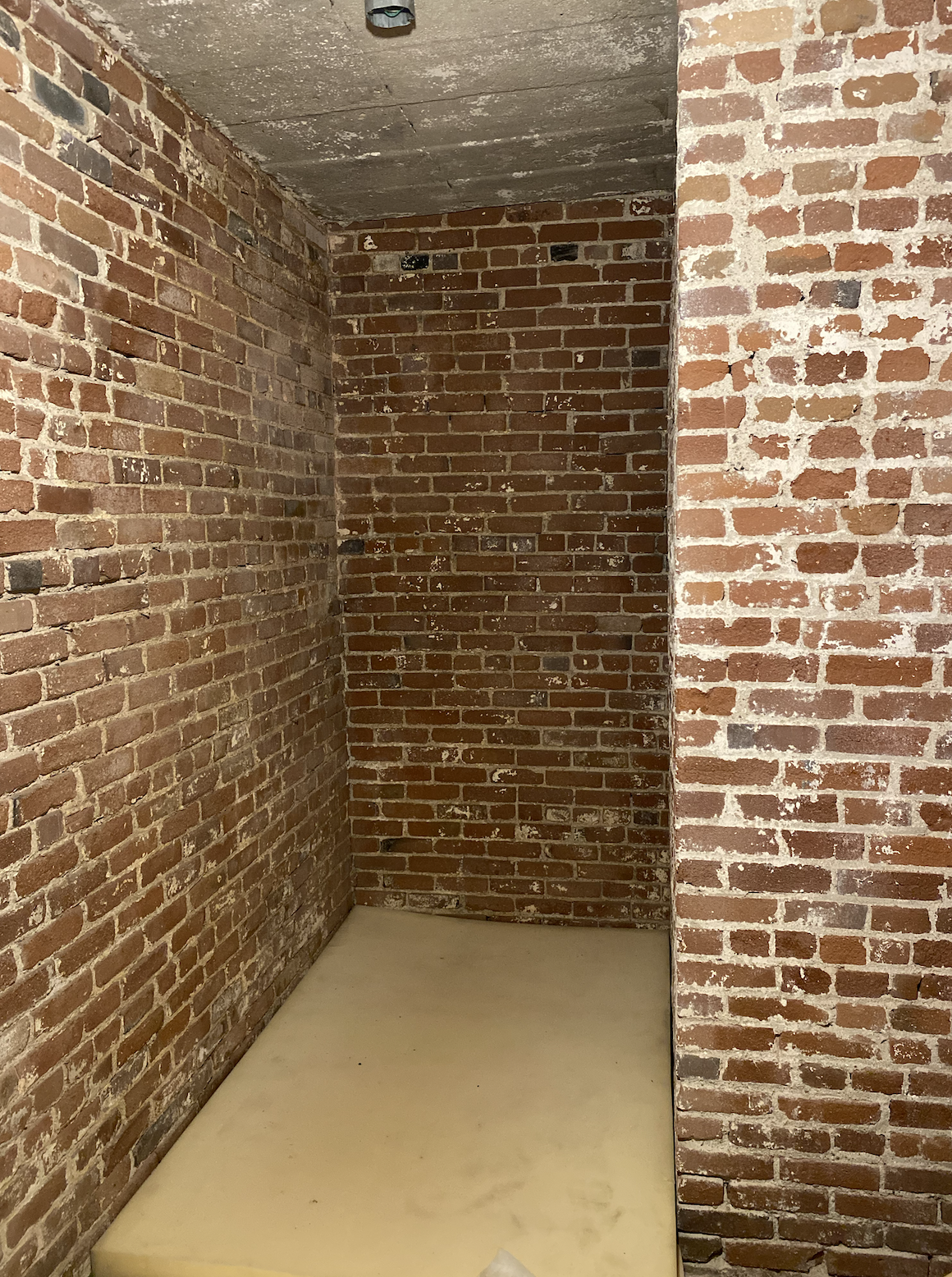
Prioritizing impact over complexity, a regulation room can be as simple as transforming an underused conference room or storage space into a high-value retention asset.

Hi. I’m Kai.
I'm a Stanford University-trained designer who specializes in restorative environments for high-pressure institutions.
My work is informed by research at the Stanford Behavior Design Lab and by my own sensory sensitivity as someone on the autism spectrum. I’ve spent years studying how lighting, acoustics, texture, and spatial composition affect the nervous system — and how environments can either dysregulate or restore us.
Before working with institutions, I developed this approach through building Tea at Shiloh in Los Angeles, a space known for its deeply calming atmosphere. Today I apply that sensory design methodology to help organizations address burnout and retention through environmental intervention.
Let’s Work Together
If your organization is facing a retention crisis, let's discuss how a regulation room could address it.